Top Reasons to Get Your California Electrical Contractor License in 2026

Content table
- What Is a California Electrical Contractor License?
- Why Get a California Electrical Contractor License in 2026?
- Who Needs a California Electrical Contractor License in 2026?
- How a California Electrical Contractor License Helps You Grow and Stay Competitive
- Top Benefits of Becoming a Licensed Electrical Contractor in California
- How a California Electrical Contractor License Builds Trust With Clients
- What To Know Before Applying for a California Electrical Contractor License in 2026
- Common Mistakes To Avoid When Applying for a California Electrical Contractor License
- Is a California Electrical Contractor License Worth It?
California's electrical industry is moving fast, and so is the regulation around it. As the state pushes harder on electrification, EV infrastructure, solar adoption, and tighter enforcement against unlicensed work, the bar for operating a real electrical contracting business keeps rising.
If you are an experienced electrician thinking about your next step, 2026 is shaping up to be one of the strongest years to make the jump. A C-10 Electrical Contractor License opens access to bigger projects, higher rates, public works bids, and the high-demand work driving California's energy transition.
This guide breaks down what the license is, who needs it, why it matters in 2026, and how it positions you to grow.
What Is a California Electrical Contractor License?
The C-10 Electrical Contractor License is a specialized classification issued by the California Contractors State License Board (CSLB). It allows an individual or business entity to place, install, erect, or connect electrical wires, fixtures, appliances, and conduits that generate, transmit, transform, or use electrical energy.
This license is required when the total project cost is $1,000 or more, including labor and materials.
Unlike a journeyman certification, which verifies an individual's skill level, the C-10 license is a business license. It allows you to pull permits, sign contracts, advertise services, and legally operate an electrical contracting business in California.
Why Get a California Electrical Contractor License in 2026?
The electrical industry in 2026 is being shaped by California's aggressive push toward electrification and renewable energy.
Key drivers include:
- Rapid expansion of EV charging infrastructure.
- Increased demand for solar and battery storage systems.
- Stricter enforcement against unlicensed work.
- Statewide "Electrify Everything" initiatives.
New construction requirements have significantly increased demand for photovoltaic (PV) systems, and this trend now extends to a wider range of building types. At the same time, the CSLB continues to crack down on unlicensed activity through dedicated enforcement efforts.
For contractors, this creates a clear divide: those who are licensed can access high-value projects, while those who are not are increasingly shut out of the market.
Who Needs a California Electrical Contractor License in 2026?
California law requires a contractor license for any electrical work where the total cost of labor and materials reaches $1,000 or more.
Even below that threshold, you must be licensed if any of the following apply:
The Permit Rule
If the project requires a permit, the exemption does not apply. Most electrical upgrades, including panel work and EV charger installations, fall into this category.
The Employee Rule
If you hire even one person to assist, you must hold a contractor license.
The Fragmenting Rule
You cannot divide a larger project into smaller contracts to avoid licensing requirements. The CSLB considers this a violation.
These rules are strictly enforced, making licensing essential for anyone serious about working in the trade.
How a California Electrical Contractor License Helps You Grow and Stay Competitive
A C-10 Electrical Contractor License is the foundation for building a scalable electrical business in California. Without it, you are limited to small jobs and restricted from legally expanding your services. With a license, you can take on larger residential and commercial projects, bid on public works contracts, and perform high-demand installations such as EV chargers and solar systems.
It also allows you to market your services without "unlicensed" disclaimers, improving both credibility and lead generation. In a market driven by electrification and strict regulation, being licensed ensures you remain competitive and positioned for long-term growth.
Top Benefits of Becoming a Licensed Electrical Contractor in California
The advantages of licensure provide a strong foundation for long-term financial security and business growth. Key benefits include:
- Mechanic's Lien Rights: Secure payment by placing a legal claim against a property.
- Increased Earning Power: Charge higher rates due to specialized expertise and liability.
- Wholesale Access: Receive contractor pricing from suppliers with a valid license.
- Legal Scalability: Hire employees, sign contracts, and pull permits for larger projects.
How a California Electrical Contractor License Builds Trust With Clients
In today's market, consumers and property managers prioritize risk reduction. Holding a C-10 license provides a level of transparency that unlicensed individuals cannot offer. Clients can verify your license status, contractor bond, and insurance through the CSLB's public portal.
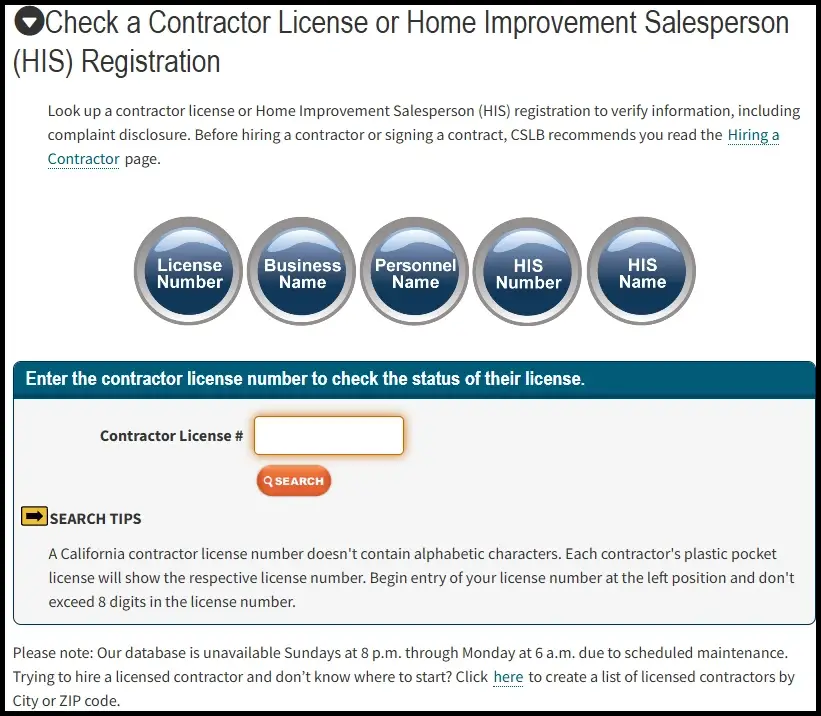
This verification builds immediate trust and signals that you meet state standards for professionalism and trade knowledge. As a licensed contractor, you position yourself as a legitimate business rather than a temporary service provider, which is essential for generating referrals and building a strong reputation.
What To Know Before Applying for a California Electrical Contractor License in 2026
Before applying for a C-10 Electrical Contractor License, it is important to understand one of the most common points of confusion: the difference between being a certified electrician and a licensed contractor.
A journeyman certification, issued by the California Department of Industrial Relations (DIR), proves that you have the skills to perform electrical work without supervision. However, it does not allow you to operate a business. The C-10 license, issued by the Contractors State License Board (CSLB), is what legally authorizes you to contract, pull permits, and run an electrical business in California.
To qualify for the C-10 license, the CSLB requires at least four years of journey-level experience within the past ten years. Understanding what counts toward that requirement is critical.
In most cases, your experience follows a general progression:
- The Apprenticeship Phase: Time spent as a trainee or apprentice is considered training and typically does not count toward the four-year requirement.
- The Journeyman Milestone: You reach journey-level when you can perform work safely and effectively without supervision, often after obtaining state certification.
- The Four-Year Requirement: The CSLB expects approximately 48 months of journey-level experience; applications without clear documentation are heavily scrutinized.
Education can help accelerate the process. You may receive credit for approved apprenticeship programs or relevant degrees, such as Electrical Engineering or Construction Management. However, the CSLB still requires at least one full year of hands-on journey-level experience before issuing a license.
In addition to meeting experience requirements, applicants must pass both the Electrical Trade exam and the Law & Business exam. If you plan to hire employees, you will also need workers' compensation insurance.
Taking the time to understand these requirements and properly document your experience can prevent delays and significantly improve your chances of approval.
Common Mistakes To Avoid When Applying for a California Electrical Contractor License
Navigating the CSLB application can be challenging, and even small errors can lead to delays. Watch out for these common pitfalls:
- Vague Experience Descriptions: Be specific about tasks like panel upgrades, conduit installation, and troubleshooting.
- Underestimating the Law & Business Exam: Many applicants ace the electrical trade test but fail the law section, which covers complex contract requirements and workplace safety regulations.
- Ignoring the Permit Rule: Any job requiring a permit requires a licensed contractor.
- Inconsistent Signatures: Ensure all names match official identification exactly.
Is a California Electrical Contractor License Worth It?
For most electricians, the answer is yes.
While the process requires time, documentation, and testing, the long-term benefits outweigh the effort. A license allows you to operate legally, increase your income, and build a scalable business.
As California continues to invest in renewable energy and electrification, demand for licensed electrical contractors will only increase. For those looking to move beyond small jobs and establish a professional business, getting licensed is one of the smartest decisions you can make in 2026.
Explore our free demo account today!
Published on: May 12, 2026




 $495.00

 Live Streaming Class


 Limited Time Offer | Save $500
 Full Online Course