Why Getting a California Contractor License Matters
Content table
- Why Getting a California Contractor License Matters
- California Contractor License Costs and Timelines
- Phase 1: Before You Apply for a California Contractor License
- Phase 2: Completing the Contractor License Application
- Phase 3: Passing the CSLB Examinations
- Phase 4: Activating Your Contractor License
- California Contractor License FAQ
- How Contractors Intelligence School Can Help
- Start Your Contractor Career Today
Becoming a licensed contractor in California can completely transform your career and earning potential. A contractor's license allows you to legally bid projects, pull permits, grow a construction business, and establish credibility with customers.
In California, any construction project valued at $1,000 or more in combined labor and materials generally requires a contractor license issued by the California Contractors State License Board (CSLB).
Many contractors assume there is only one path to getting licensed. In reality, California offers several qualification options depending on your business structure, experience level, and long-term goals.
Whether you are:
- A skilled tradesperson looking to start your own company
- A business owner needing an RMO or RME
- An out-of-state contractor expanding into California
- A remodeler interested in the B-2 Residential Remodeling License
This guide covers the critical information most contractor license blogs leave out.
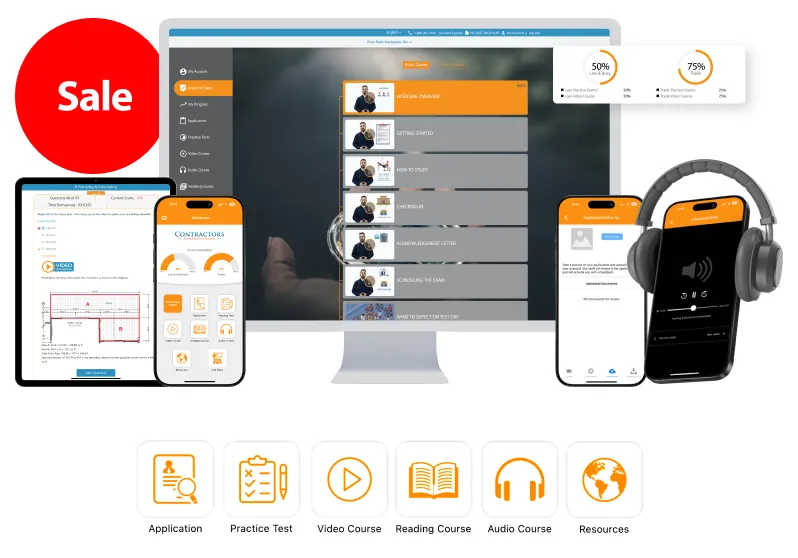
#1 California Contractors License Prep Program.
Try our free interactive course demo.
California Contractor License Costs and Timelines
How Much Does a California Contractor License Cost?
While the short answer is between $1,200 and $2,500 for most applicants, the "true" price tag depends on your business structure, insurance requirements, and long-term business goals. To help you budget for your new venture, we've broken down the mandatory CSLB fees, bonding requirements, and the "hidden" startup costs you'll encounter during the application process.
The licensing process involves far more than simply paying the CSLB application fee. Many applicants are surprised to learn that business formation costs, bonding requirements, insurance policies, fingerprinting, and local registration fees can quickly add up. Contractors forming corporations or LLCs should expect higher startup costs due to additional filing requirements and insurance obligations.
| Estimated California Contractor License Costs | |
|---|---|
| Expense | Estimated Cost |
| CSLB Application Fee | $450 |
| Initial License Fee (Sole Proprietorship) | $200 |
| Initial License Fee (Corporation/LLC/Partnership) | $350 |
| Contractor License Bond Premium | $200–$500/year |
| Live Scan Fingerprinting | ~$75 |
| Exam Prep Courses & Materials | $395–$800+ |
| Secretary of State Filing Fees | $70–$150+ |
| City/County Business License | $50–$300+ |
| DBA/Fictitious Business Name Filing | $40–$100+ |
| LLC Employee/Worker Bond (LLCs Only) | Varies |
| General Liability Insurance | Varies |
| Workers' Compensation Insurance | Varies |
| License Renewal Fee (Every 2 Years) | $450–$700 |
Note: Costs may vary depending on business structure, classification, credit history, insurance provider, and local filing requirements.
One of the largest misconceptions about the licensing process involves the contractor license bond. Although California requires every active contractor license to maintain a $25,000 Contractor License Bond, contractors are not expected to pay the full bond amount upfront. Instead, contractors purchase the bond through a surety company and pay a yearly premium based largely on credit history and financial standing.
Applicants should also understand that forming a corporation or LLC creates additional startup obligations beyond the CSLB itself. Depending on the entity structure, contractors may need to register with the California Secretary of State, obtain local city or county business licenses, file fictitious business name statements, and maintain annual compliance filings.
Contractors operating as LLCs face even stricter financial requirements. In addition to the standard contractor license bond, LLC contractors may be required to maintain additional employee/worker bonds and liability insurance coverage under current California regulations.
It is equally important to budget for ongoing operational costs after your license is issued. License renewals, insurance premiums, bond renewals, workers' compensation coverage, payroll expenses, and local business taxes all become part of maintaining an active and compliant construction business.
While the upfront investment may feel substantial for newer contractors, obtaining a California contractor license often creates access to significantly larger projects, higher-paying contracts, and long-term business growth opportunities that far outweigh the initial startup costs.
How Long Does It Take to Get a California Contractor License?
Most applicants receive their California contractor license within 2 to 6 months.
Several factors can affect the timeline:
Application Review:
Most applicants receive an acknowledgment letter within 2 to 4 weeks after submitting their application. Errors, missing information, or incomplete work experience certifications can significantly delay processing.
Exam Scheduling:
Once the application is accepted, applicants must schedule their exams through PSI. Exam appointments are often available within 2 to 4 weeks, depending on location and availability. If an applicant fails an exam, CSLB requires a mandatory 21-day waiting period before retesting.
Background Checks:
Live Scan fingerprint results are often processed within a few days. However, applications involving criminal history or additional review may require several additional weeks for evaluation.
Final License Issuance:
After passing all required exams, applicants must submit their contractor bond, insurance (if required), licensing fees, and complete the asbestos open book examination. Final processing and license activation generally takes about 1 to 2 weeks after all documents are received.
Phase 1: Before You Apply for a California Contractor License
Choose the Right California Contractor License Qualifier
In California, the individual who qualifies the contractor license by proving the required experience and passing the CSLB examinations is known as the qualifier or qualifying individual.
The qualifier plays a critical role in the business because they are legally responsible for exercising direct supervision and control over the construction operations performed under the license.
Depending on your business structure, there are several ways a contractor license can be organized.
Individual or Sole Owner
Under this structure, the same person serves as both the business owner and the qualifying individual. This is the most common setup for independent contractors, owner-operators, and small construction businesses.
This structure is often preferred for its simplicity and lower administrative requirements.
Partnerships
For partnerships, one of the general partners is typically designated as the qualifying individual for the license.
The qualifying partner must demonstrate the required journey-level experience and successfully pass the applicable CSLB examinations. Like all qualifiers, the partner must actively supervise and control the construction operations performed by the business.
Partnership structures are commonly used when two or more individuals combine their experience, resources, or specialties to operate a construction company together.
RMO (Responsible Managing Officer)
An RMO, or Responsible Managing Officer, is most commonly used by corporations and LLCs. In this arrangement, an officer of the company serves as the qualifying individual for the contractor license.
The RMO must actively exercise direct supervision and control over the company's construction operations and cannot merely lend their license to the business.
This structure is frequently used when:
- A corporation is owned by investors
- Multiple owners are involved
- An experienced contractor is needed to qualify the company
Depending on ownership percentage and business structure, additional bonding requirements may apply to RMOs.
RME (Responsible Managing Employee)
An RME, or Responsible Managing Employee, is a full-time employee who serves as the qualifying individual for the business.
The CSLB generally requires the RME to:
- Work at least 32 hours per week, or
- Be present during at least 80% of the company's operating hours
Unlike RMOs, RMEs do not hold an officer or ownership position within the company. Instead, they qualify the license as an employee actively involved in managing construction operations.
An RME may qualify nearly any type of business entity, including:
- Sole proprietorships
- Partnerships
- Corporations
- LLCs
However, an RME may only serve as the qualifier for one active company at a time. Because of this limitation, experienced RMEs can be highly valuable to construction businesses seeking to obtain or maintain a contractor license.
How To Choose the Right California Contractor License Classification
Choosing the correct classification is one of the most important parts of the licensing process. Selecting the wrong classification is one of the leading causes of CSLB application delays and rejections.
The CSLB offers more than 40 contractor license classifications.
Class A: General Engineering Contractor
Class A General Engineering Contractors licenses cover large-scale engineering projects involving highways, bridges, streets, water systems, grading operations, and major infrastructure projects.
These projects generally require advanced engineering knowledge and specialized construction techniques.
Class B: General Building Contractor
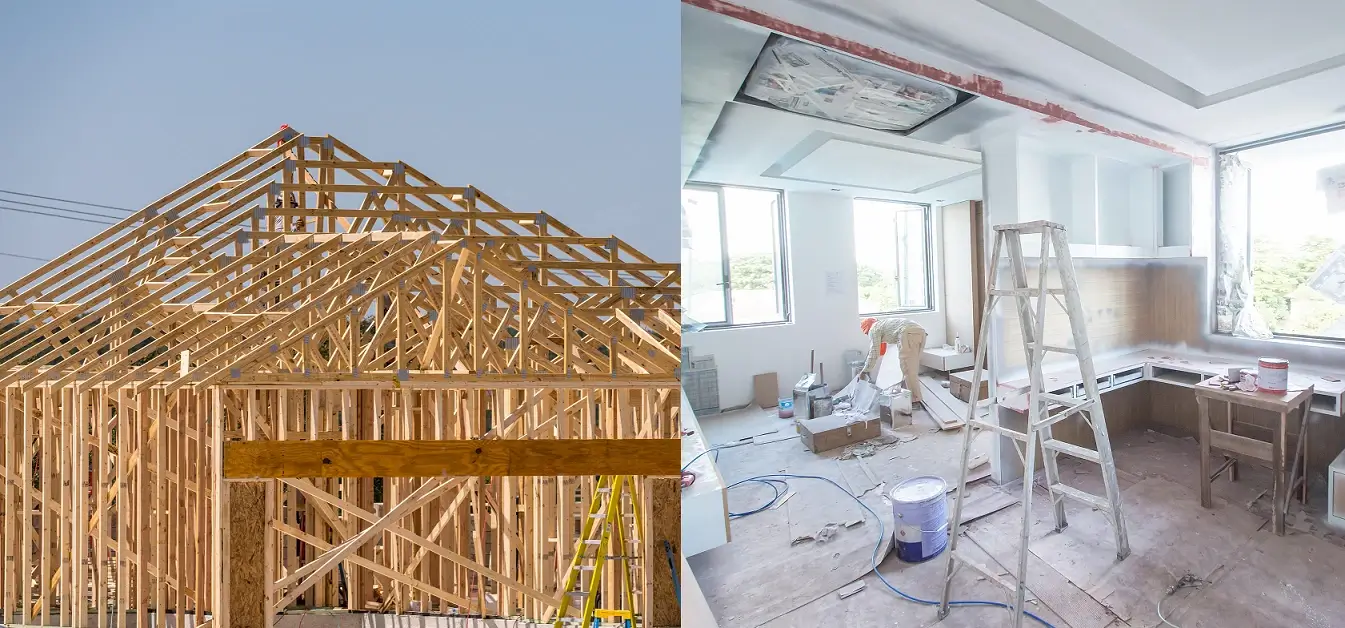
A Class B General Building Contractor license is intended for contractors who work on structures involving two or more unrelated building trades.
This classification is commonly used for home construction, additions, remodeling projects, and commercial tenant improvements.
Class B contractors must generally perform or supervise structural framing unless subcontracting the entire project.
Class B-2: Residential Remodeling Contractor
The B-2 Residential Remodeling License was introduced to accommodate contractors performing non-structural residential remodeling work involving three or more trades.
This classification is commonly used for flooring, painting, cabinet installation, tile work, kitchen remodeling, and bathroom renovations.
B-2 contractors cannot perform structural modifications involving load-bearing walls, framing, or foundations.
Class C: Specialty Contractor
Class C Specialty Contractor licenses are designed for contractors who specialize in a single trade or highly specific area of construction work.
Unlike general contractors who oversee multiple trades, specialty contractors focus on developing expertise within a particular field.
California Contractor License Reciprocity Explained
California currently maintains reciprocity agreements with:
- Arizona
- Louisiana
- Mississippi
- Nevada
- North Carolina
If you have held an active license in good standing in one of these states for 5 out of the previous 7 years, you may qualify to waive the trade examination portion of the licensing process.
However, most applicants must still pass the California Law and Business Examination.
Meet the Experience Requirements
To qualify for a California contractor license, applicants generally need at least four years of journey-level experience within the past 10 years.
What Counts as Journey-Level Experience?
Qualifying experience may include work performed as a:
- Journeyman
- Foreman
- Supervising employee
- Owner-builder
- Contractor
The CSLB expects applicants to demonstrate advanced knowledge and practical field experience in their trade.
Experience Verification
Applicants must provide a certifier who can verify their work experience.
Certifiers may include:
- Licensed contractors
- Employers
- Supervisors
- Fellow employees
- Business associates
Accuracy is extremely important because the CSLB may investigate or request additional verification.
Education Credit Toward Experience
In certain situations, the CSLB may allow education to substitute for a portion of the required work experience.
Qualifying education may include:
- Trade school programs
- Apprenticeship training
- Associate's degrees
- Bachelor's degrees in construction-related fields
Depending on the documentation provided, educational achievements may substitute for up to three years of the four-year experience requirement.
Applicants seeking educational credit are typically required to submit:
- Sealed transcripts (evaluated if out-of-country)
- Apprenticeship completion certificates
- Supporting educational records
Military Experience Credit
Certain military construction experience may qualify toward the contractor license experience requirement.
Veterans who served in military construction-related units, including the "Navy Seabees" and similar technical divisions, may receive qualifying credit depending on their training and duties.
In most cases, a DD-214 must accompany the contractor license application.
Phase 2: Completing the Contractor License Application
Complete the Contractor License Application
Once you meet the requirements, the next step is submitting your contractor license application to the CSLB.
Application accuracy is critical. Even minor mistakes can delay processing by weeks or months. This is where hiring Contractors Intelligence School can make all the difference.
Criminal History and Background Checks
Having a criminal record does not automatically disqualify you from obtaining a contractor license in California.
California operates under fair chance licensing laws, meaning each application is evaluated individually.
Applicants must:
- Disclose criminal history honestly
- Complete Live Scan fingerprinting
- Provide supporting documentation if requested

Phase 3: Passing the CSLB Examinations
Law and Business Examination
This exam covers topics such as:
- Business Organization and Licensing
- Business Finances
- Employment Requirements
- Insurance and Liens
- Contract Requirements and Execution
- Public Works
- Safety
Trade Examination
The Trade Exam focuses on technical knowledge related to your specific classification.
Most exams consist of approximately:
- 100–120 multiple-choice questions
- Up to 3.5 hours of testing time
Both exams are closed-book.
Phase 4: Activating Your Contractor License
The $25,000 Contractor License Bond
Every active license must have a $25,000 Contractor License Bond on file. This bond is not insurance for you; it is a consumer protection tool that guarantees you will follow California's contracting laws.
- The Cost: Typically around $233 per year depending on your credit score.
- Continuous Filing: If your bond cancels or lapses, the CSLB will suspend your license within 30 days.
Bond of Qualifying Individual (BQI)
You are required to file an additional $25,000 BQI bond if the person qualifying the license is:
- A Responsible Managing Employee (RME)
- A Responsible Managing Officer (RMO) who owns less than 10% of the corporation's voting stock
This bond protects the public when the individual directing the work has little or no ownership stake in the company.
Workers' Compensation Insurance
Under California law, workers' compensation is mandatory the moment you hire one employee.
However, certain classifications must carry workers' compensation even if they have zero employees, including:
Important: Under SB 1455, all active contractors will be required to carry workers' compensation by January 1, 2028, regardless of classification or employee status.
LLC Licensing Requirements
Contractors operating as LLCs face additional requirements, including:
- A $100,000 LLC Employee/Worker Bond
- A $1,000,000 General Liability insurance policy
California Contractor License FAQ
Can I get a contractor license with no experience?
If you plan to act as the qualifying individual for the license, the answer is generally no. California requires at least four years of journey-level experience within the past ten years in the trade classification being applied for.
However, it is possible to form a company and appoint another qualified individual to serve as the qualifier. That person must still meet the CSLB experience requirements.
Can I use an RMO to qualify my company?
Yes. Many corporations and LLCs use a Responsible Managing Officer (RMO) to qualify the license, provided the RMO actively supervises the construction operations of the business.
What is the difference between an RMO and an RME?
An RMO (Responsible Managing Officer) is an officer of the corporation or LLC who serves as the qualifying individual for the license.
An RME (Responsible Managing Employee) is a full-time employee who qualifies the license but does not hold an ownership or officer position in the company.
Both RMOs and RMEs must actively supervise the construction operations of the business.
Can a felony prevent me from getting licensed?
Yes. A felony conviction can result in a license denial if the crime is considered "substantially related" to the duties and responsibilities of a contractor.
The CSLB generally considers:
- The nature and severity of the offense
- How much time has passed since the conviction
- Evidence of rehabilitation
A conviction may be grounds for denial if:
- It occurred within the past 7 years
- You were released from incarceration within the past 7 years
- You are currently incarcerated
Even convictions older than 7 years may affect licensure if they involve:
- Serious or violent felonies
- Financial crimes related to business practices
- Crimes requiring sex offender registration
Each application is reviewed individually by the CSLB.
Which CSLB exam is difficult?
Difficulty depends largely on your background and experience.
For many applicants, the Law & Business exam is considered more challenging because it covers contracts, business management, employment regulations, safety requirements, and licensing laws. Applicants with primarily hands-on construction experience often find these topics less familiar than trade-related work.
On the other hand, individuals with administrative or management experience may find the trade exam more difficult if they lack practical field experience in the classification they are applying for.
How Contractors Intelligence School Can Help
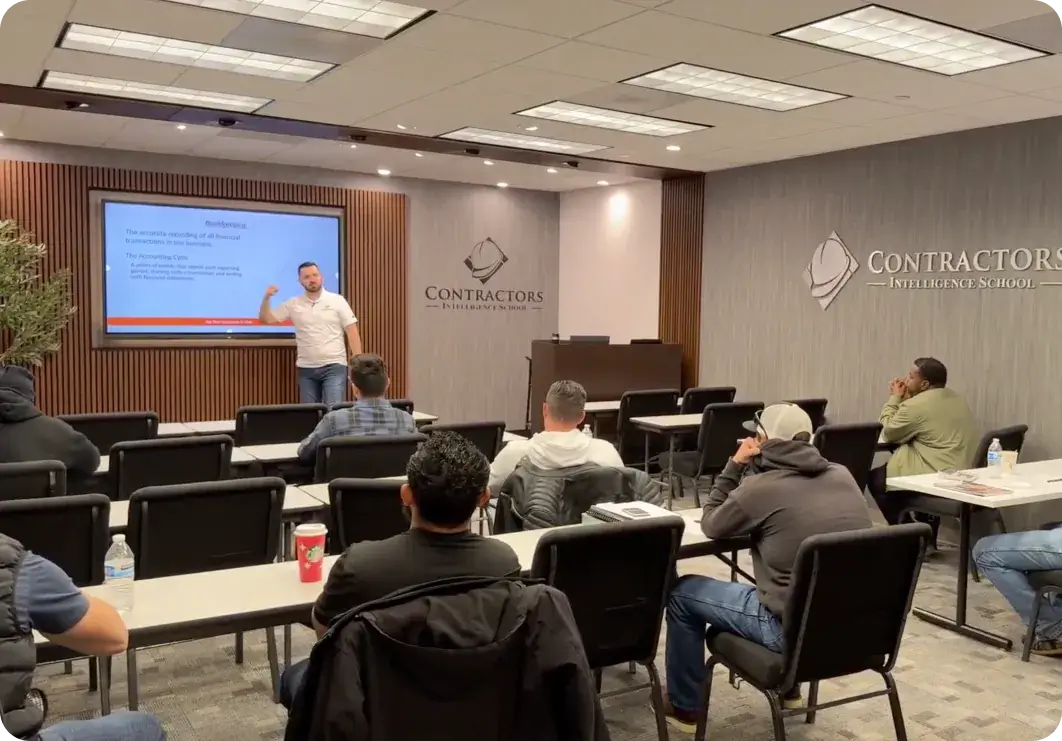
At Contractors Intelligence School, we help students navigate every stage of the contractor licensing process.
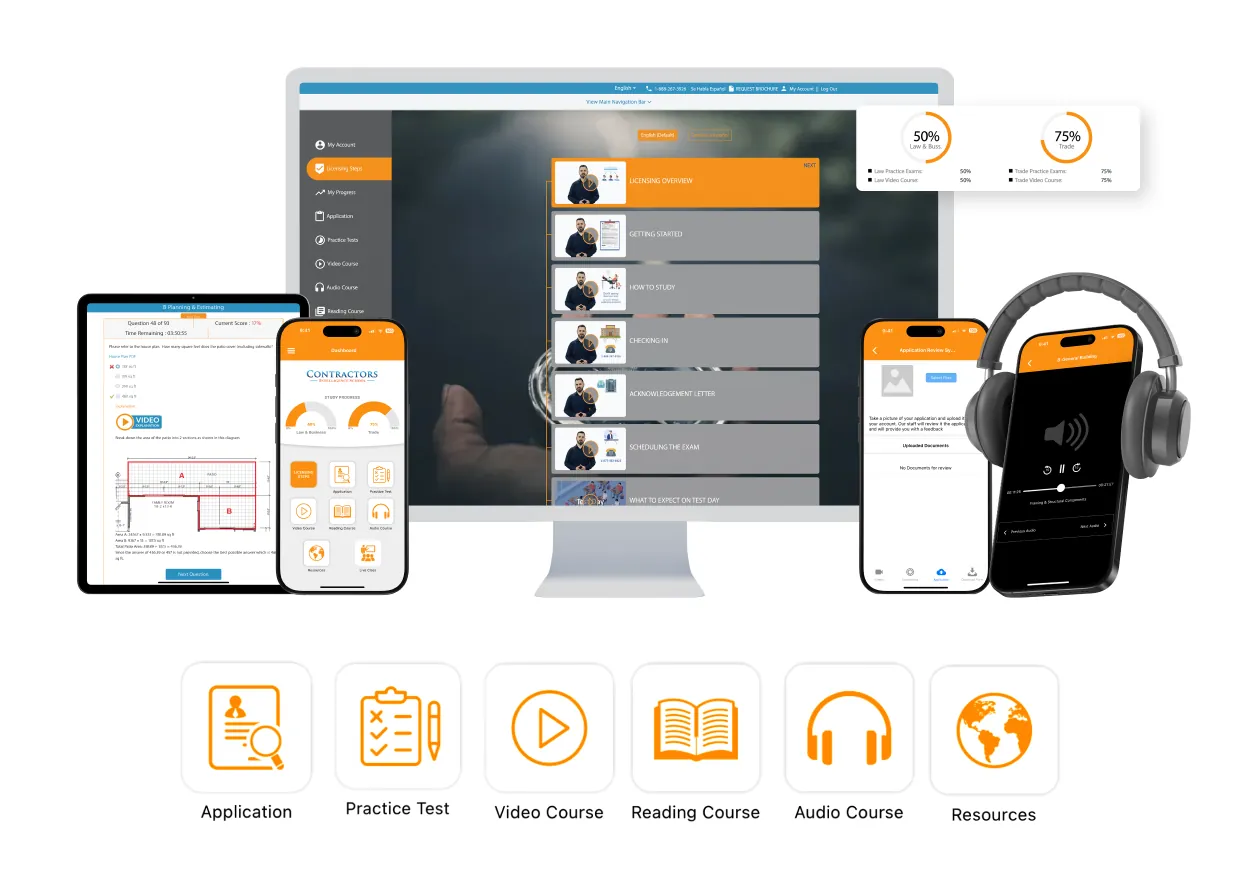
Our services include:
- Application review
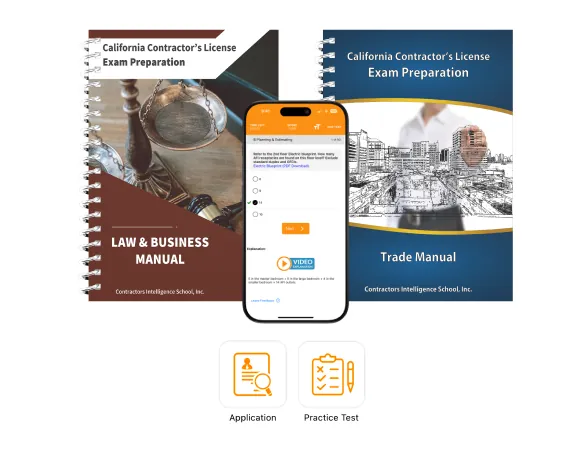
- Exam preparation
- Practice testing
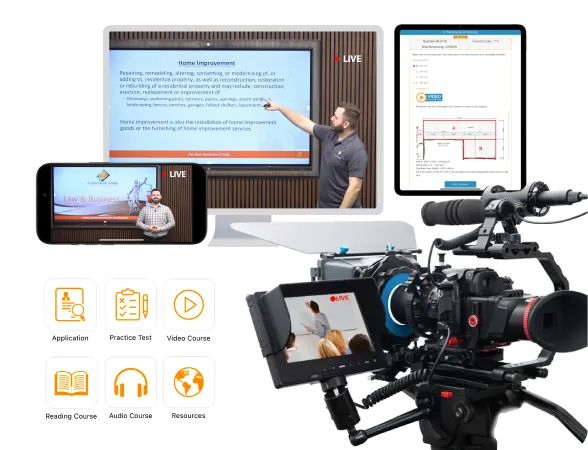
- Live instruction
- Home-study programs
- Business guidance
- Classification assistance
We help students avoid common CSLB mistakes and improve their chances of licensing success.
Start Your Contractor Career Today
Getting your contractor's license in California is one of the most important investments you can make in your future.
With the right preparation and guidance, you can build a legitimate, profitable, and long-term construction business.
If you are ready to begin your contractor licensing journey, Contractors Intelligence School is here to help.
Start by choosing from the 45 contractors license classifications the CSLB issues, then review the course that prepares you for that trade exam.
Call 1-800-425-7570 today to speak with our team and take the next step toward becoming a licensed California contractor.
Published on: May 14, 2026




 $495.00

 Live Streaming Class


 Limited Time Offer | Save $500
 Full Online Course