Starting a Contracting Business with a Partner: Understanding General Partnerships in California

From High School Friends to Business Partners
Content table
- From High School Friends to Business Partners
- Choosing the Right Structure: General vs. Limited Partnerships
- The CSLB Requirement: Who Qualifies the License?
- Why Every California Contractor Partnership Needs a Written Agreement
- Understanding the Risks: Personal Liability
- The Launch Checklist
- Field Skills + Business Skills: The Ideal Contracting Partnership
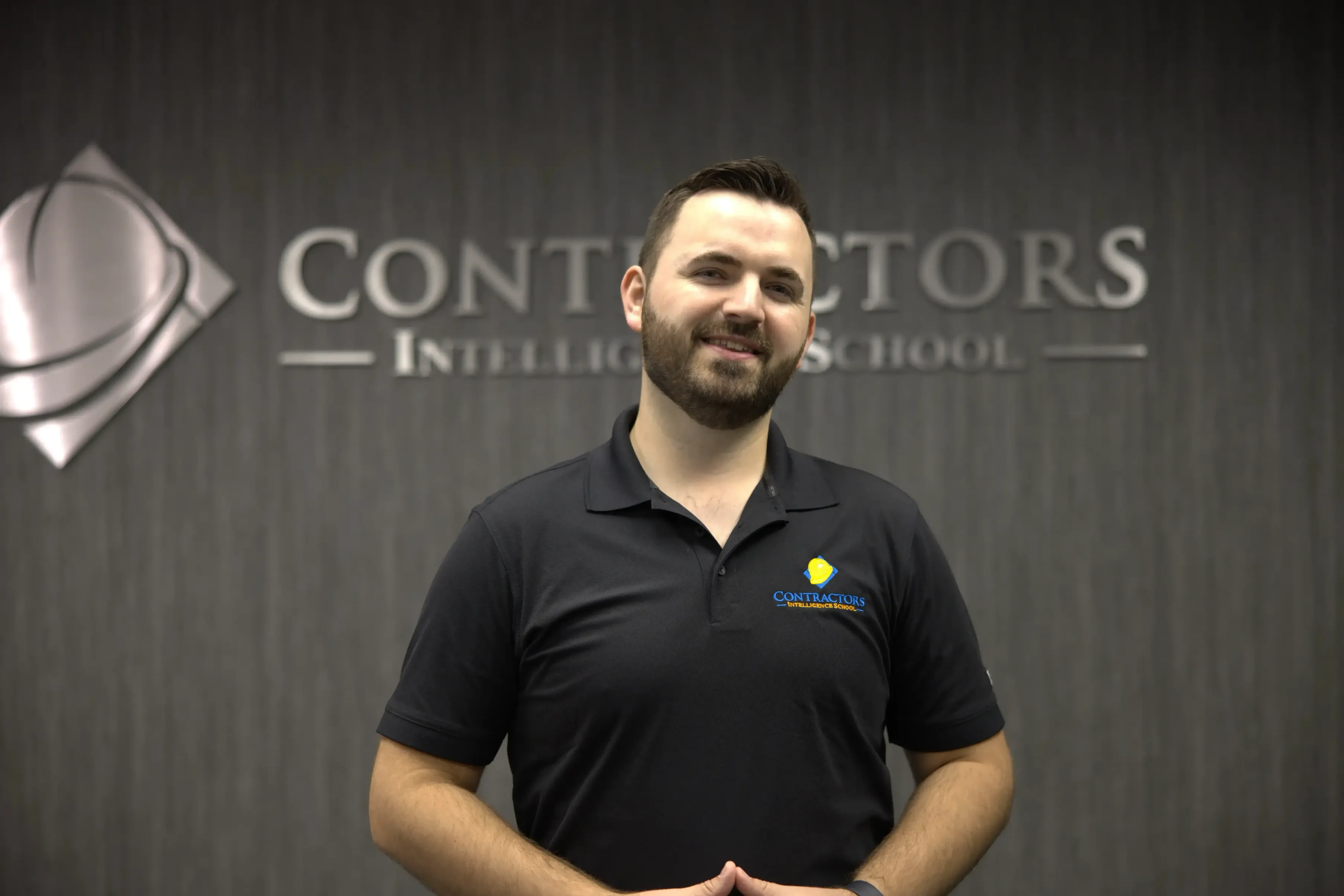
Kevin and Francisco had been friends since high school, back when conversations revolved around trucks and weekend plans rather than corporate structures. After graduation, their paths split, but their ambitions stayed aligned.
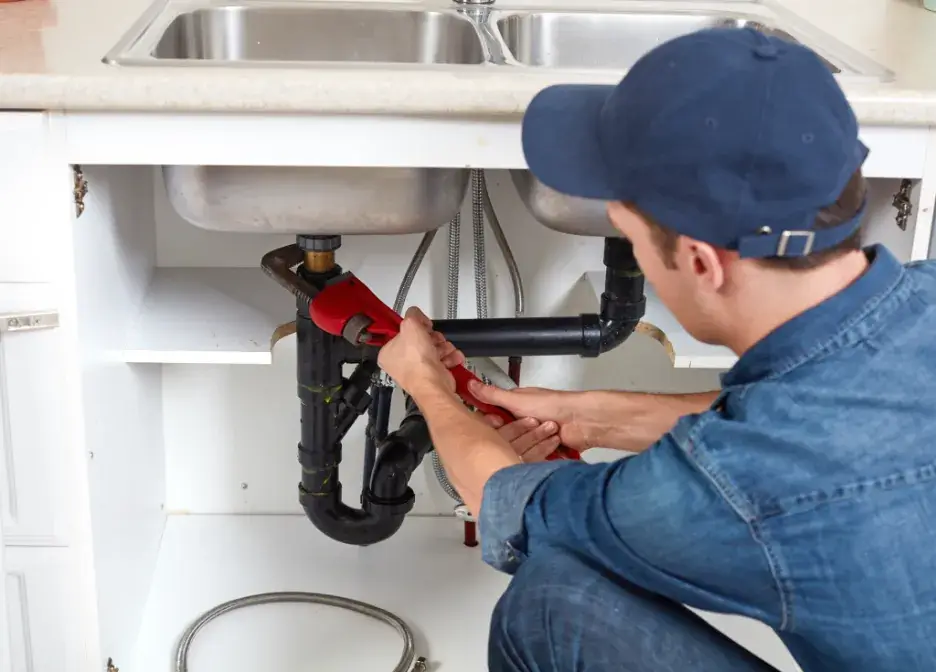
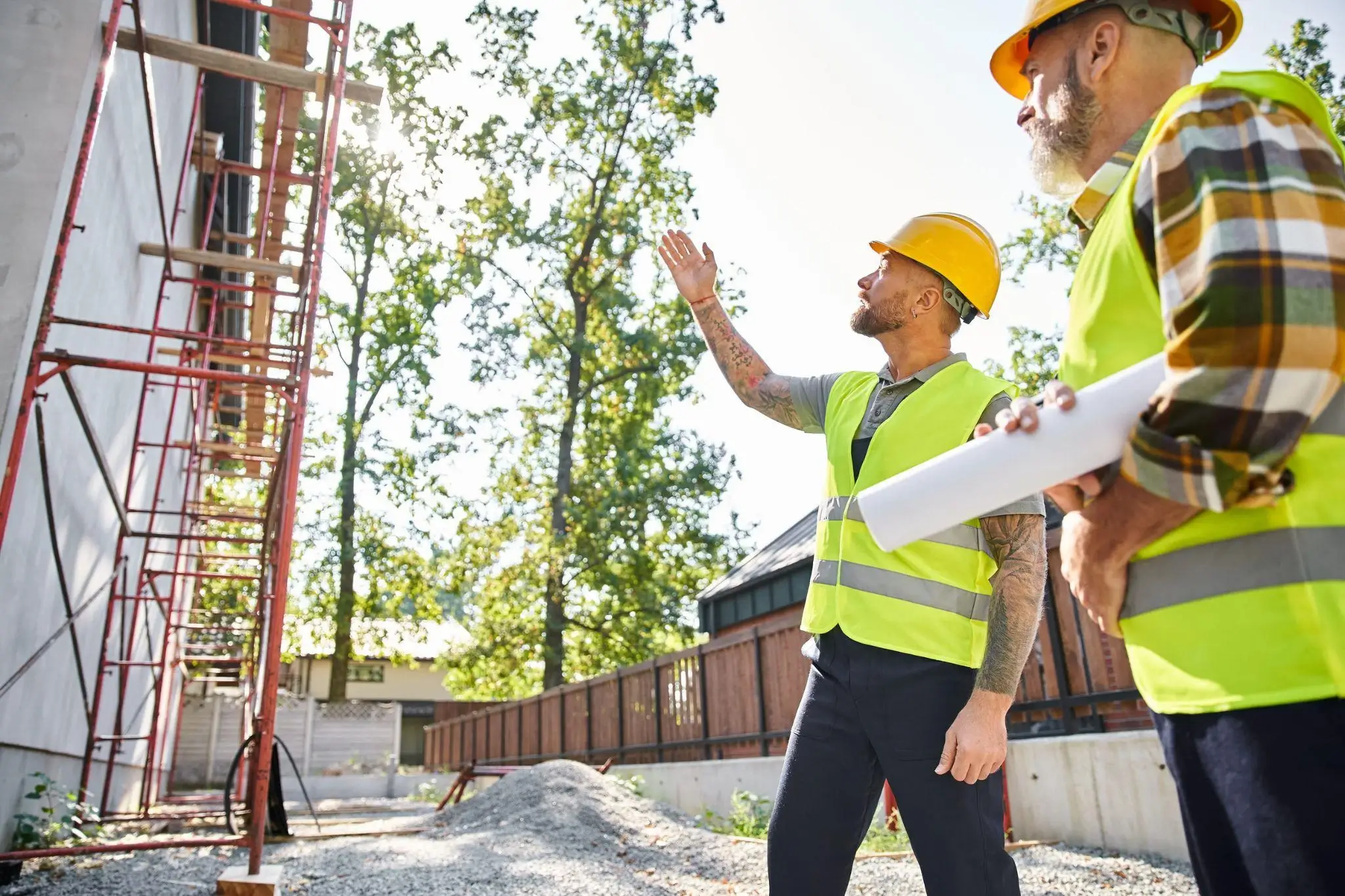
Kevin went straight into the field and climbed from apprentice to foreman, mastering crew management and on-the-fly problem solving. Francisco took the administrative route, studying business and mastering estimating, contracts, and project cash flow.
Years later they realized something simple: Kevin knew how to build the project; Francisco knew how to build the business. The natural question followed—why keep building someone else’s dream when they could build their own?
Choosing the Right Structure: General vs. Limited Partnerships
1. The General Partnership
A general partnership forms when two or more people agree to share profits, management, and losses. In California it can even form automatically when people start doing business together for profit. That fit Kevin and Francisco: both wanted to be active—Kevin in the field, Francisco in the office.
2. The Limited Partnership (LP)
An LP has two partner types:
- General partners who manage and operate the business.
- Limited partners who invest but do not run daily operations.
While an LP can hold a CSLB license, the qualifying individual must be a general partner or a responsible managing employee (RME). A limited partner cannot qualify the license without losing limited liability protection, so the LP structure did not fit their goals.
The CSLB Requirement: Who Qualifies the License?
The Contractors State License Board issues licenses to the business entity, not the individual. Because they planned to operate as a partnership, the partnership itself would hold the license. Someone still had to qualify it by passing exams and proving at least four years of journey-level experience. Their options were:
- Qualifying Partner — one of the owners qualifies the license.
- Responsible Managing Employee (RME) — a high-level employee working at least 32 hours per week or 80% of the time who supervises construction operations.
Kevin’s hands-on experience made him the clear qualifying partner.
Why Every California Contractor Partnership Needs a Written Agreement
Even strong friendships face strain when money, deadlines, and legal responsibilities enter the picture. A written partnership agreement prevents misunderstandings by defining:
- Ownership percentages and profit distribution
- Daily responsibilities (field vs. office)
- Exit strategy if one partner leaves
For Kevin and Francisco, the agreement protected both the friendship and the business.
Understanding the Risks: Personal Liability
In a general partnership, liability is personal:
- If the business is sued, each partner is sued.
- Jobsite claims can expose personal assets.
- Business debt becomes personal debt.
That reality does not forbid partnerships; it elevates the importance of safety, documentation, and insurance from day one.
The Launch Checklist
Unlike corporations or LLCs, a general partnership may not require filing formation documents with the California Secretary of State, but critical administrative steps remain:
- Draft the partnership agreement
- Register a DBA (Fictitious Business Name) with the county
- Obtain a local business license
- Apply for an EIN for taxes and banking
- Pass the CSLB exams
Field Skills + Business Skills: The Ideal Contracting Partnership
Kevin managed crews and solved field problems; Francisco managed contracts and cash flow. Together they had the balance to build a durable contracting company.
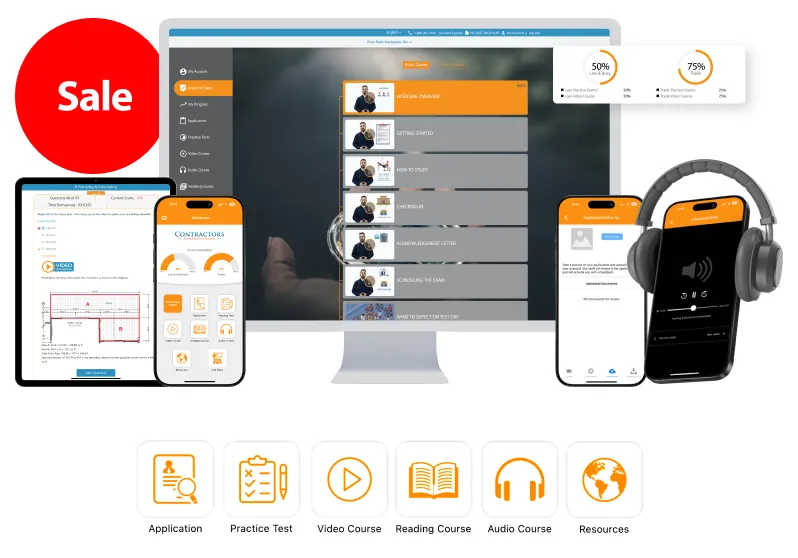
Kevin began studying for the Law and Trade exams, recognizing that the CSLB tests cover safety, labor law, licensing requirements, and California construction regulations. Their search for prep help led them to Contractors Intelligence School—and to the final push toward a licensed contracting business.
Partners who later incorporate can use our corporation and LLC formation services, and either way the contractors license requirements are what CSLB measures the qualifier against.
Published on: March 26, 2026




 $495.00

 Live Streaming Class


 Limited Time Offer | Save $500
 Full Online Course