
Content table
- What Is the California Class B Contractor Exam?
- What the California Class B Contractor Exam Covers
- How To Study for the Class B Contractor Exam Based on Your Construction Background
- How the CSLB Develops California Class B Contractor Exam Questions
- How To Start Studying for the California Class B Contractor Exam
- Best California Class B Contractor Exam Study Tips
- How To Prepare for Test Day With Confidence
- What Happens if You Don't Pass?
- Final Thoughts: Take the First Step Today
Preparing for the California Class B contractor exam can feel intimidating, especially if it has been years since you last took a formal test. The good news is that passing the exam is less about memorizing entire code books and more about understanding construction concepts, applying practical field knowledge, and following a structured study plan.
Whether you're applying for your first contractor license or advancing your construction career, these proven study strategies can help you prepare efficiently and approach exam day with confidence.
What Is the California Class B Contractor Exam?
The California Class B contractor exam is the licensing examination required for individuals seeking a General Building Contractor license in California. Developed by the California Contractors State License Board (CSLB) and administered by PSI Services, the exam measures an applicant's ability to apply practical construction knowledge, understand building systems, coordinate multiple trades, and manage construction projects safely and effectively.
First-time applicants are generally required to pass two separate examinations:
- The Law and Business Exam
- The B General Building Trade Exam
This guide focuses specifically on preparing for the B General Building Trade Exam, commonly referred to as the Class B contractor exam.
What the California Class B Contractor Exam Covers
The CSLB publishes an official study guide that outlines exactly how the Class B contractor exam is structured. The exam is divided into five major content areas:
Planning and Estimating (15%)
- Scope of work and code compliance
- Design and construction error identification
- Shop drawings, plans, and specifications
- Field inspections
- Project coordination
- Estimating labor, materials, and equipment costs
Framing and Structural Components (20%)
- Subfloor and wall framing
- Roof framing
- Seismic hardware requirements
- Siding and stucco
- Decks and stairs
Core Trades (30%)
- Plumbing
- Electrical
- HVAC
- Concrete
- Earthwork and surveying
- Insulation and weatherproofing
- Roofing
Finish Trades (20%)
- Painting and coatings
- Tile and stone
- Floor coverings
- Cabinetry and millwork
- Drywall and ceilings
- Windows, skylights, and doors
- Landscaping
Safety (15%)
- Personnel safety
- Transportation and traffic control
- Environmental safety
Understanding these categories is important, but understanding your own construction background is even more important.
How To Study for the Class B Contractor Exam Based on Your Construction Background
Applicants qualify for the Class B contractor exam through many different career paths. Some come from framing crews, some from specialty trades, and others from project management or estimating roles.
Because the exam covers such a broad range of topics, your experience should determine where you spend the majority of your study time.
Study Tips for Framing Contractors Taking the Class B Exam
If you spent years framing houses or commercial structures, you're already in a strong position for the Framing and Structural Components section. You likely understand load paths, roof layouts, wall framing, and structural sequencing instinctively.
Possible Blind Spots:
- Core Trades
- Planning and Estimating
Where to Focus: Most framing contractors already understand structural systems. Instead, focus on strengthening your understanding of plumbing, electrical, HVAC, concrete, site work, estimating, plan reading, and Cal/OSHA safety requirements.
Study Tips for Specialty Trade Contractors Taking the Class B Exam
If you're an electrician, plumber, HVAC technician, roofer, or concrete contractor moving into general contracting, you'll likely perform well in portions of the Core Trades section.
Possible Blind Spots:
- Framing and Structural Components
- Finish Trades
Where to Focus: One reality many specialty contractors discover is that the Class B license is centered on building construction as a whole. Spend time learning how structural framing systems, foundations, roofing systems, and finish trades fit together within a complete building.
Study Tips for Project Managers and Estimators Taking the Class B Exam
If your experience is primarily in project management, estimating, supervision, or construction administration, you'll likely find Planning and Estimating very familiar.
Possible Blind Spots:
- Core Trades
- Field Safety
- Practical Installation Methods
Where to Focus: Office experience can sometimes create a gap between managing construction and physically building it. Focus on understanding how major building systems are installed in the field and review Cal/OSHA requirements for trenching, shoring, scaffolding, and fall protection.
What Class B Exam Topics Should You Study the Most?
If a topic makes you feel comfortable while reading it, close that book and open the one that makes you sweat. The CSLB exam is designed to test your breadth of knowledge, not just your specialty.
How the CSLB Develops California Class B Contractor Exam Questions
Many applicants assume the Class B contractor exam is heavily academic or disconnected from real construction work. The reality is quite different.
The CSLB works with licensed California contractors who serve as Subject Matter Experts (SMEs) to develop and review exam questions. These contractors help identify the practical knowledge required to perform competently and safely in the field.
As a result, the exam tests more than simple memorization. Questions often require you to:
- Apply construction principles
- Identify jobsite problems
- Interpret code requirements
- Make practical construction decisions
This is why experienced contractors often perform well on the trade exam. The test is designed to evaluate real-world competency, not obscure trivia.
That said, field experience alone is not enough. Successful applicants combine practical construction knowledge with an understanding of California's building standards, safety regulations, terminology, and industry practices.
How To Start Studying for the California Class B Contractor Exam
The most effective study plans are realistic and consistent.
Most applicants are working full-time while balancing family and business responsibilities. Trying to cram everything into a few weekends rarely works. Instead, create a simple routine:
- 45 to 60 minutes per day
- Five days per week
- Consistent study sessions over several weeks
Consistency almost always outperforms marathon study sessions.
What Study Materials To Use for the Class B Contractor Exam
Applicants generally prepare using one of two approaches: self-study or structured exam preparation.
Self-Study
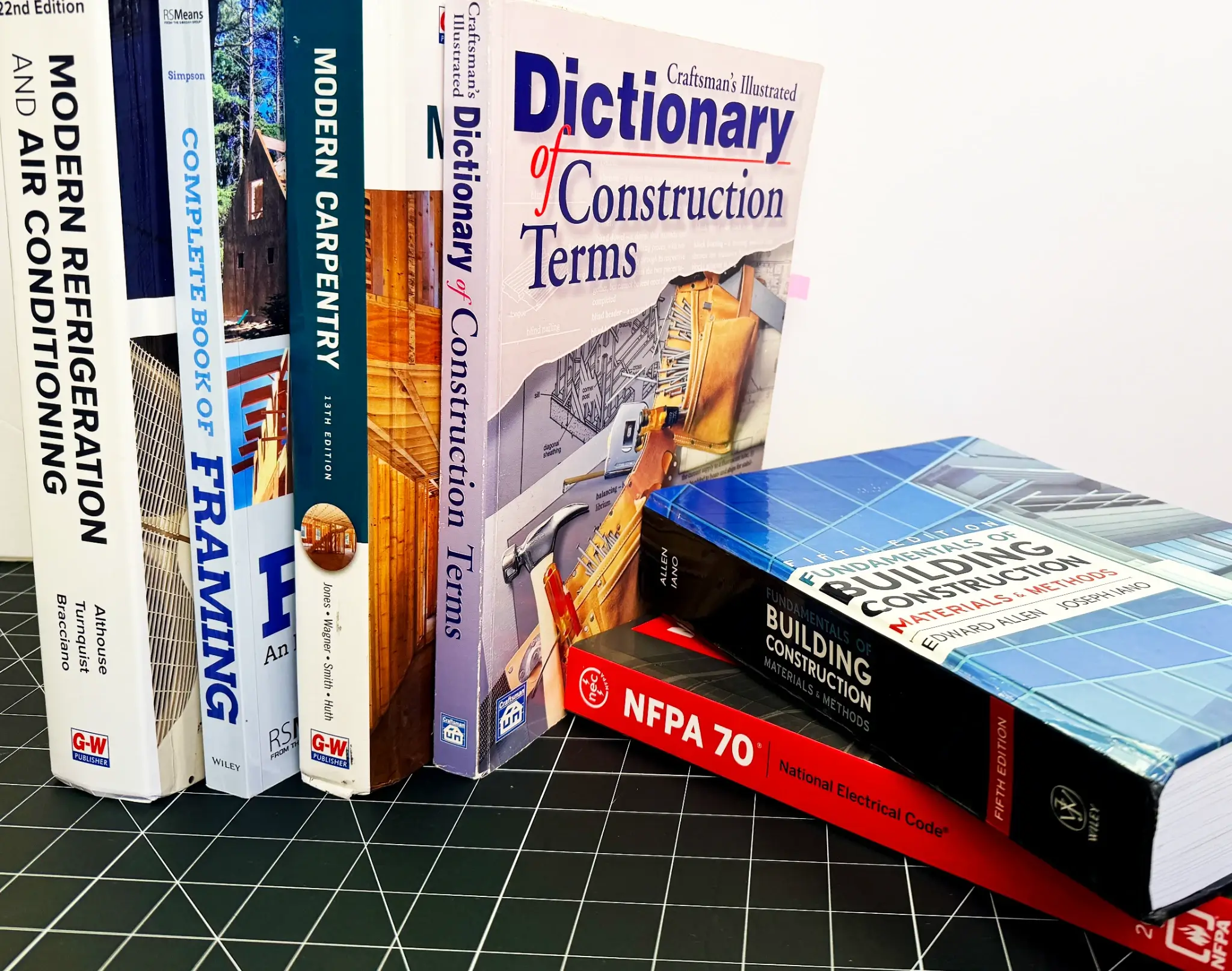
This involves gathering and reviewing resources such as:
- California building codes
- Cal/OSHA regulations
- Trade manuals
- Construction reference books
While effective, this method requires significant time and discipline.
Structured Exam Preparation
Many applicants choose a contractor exam preparation program that organizes the most relevant information into a focused curriculum. This allows them to spend more time learning and less time sorting through thousands of pages of reference material.
Best California Class B Contractor Exam Study Tips
Tip #1: Focus on Understanding, Not Memorization
The Class B contractor exam frequently uses situational questions that require you to apply knowledge. Instead of memorizing isolated facts, focus on understanding:
- Why construction methods are used
- How building systems interact
- Construction sequencing
- Contractor responsibilities
- Safety requirements
When you understand concepts, you'll perform better even when questions are worded differently than expected. The CSLB does not publish or share its actual exam questions, which means no practice exam can perfectly replicate what you'll see on test day. Applicants who focus on understanding the underlying construction principles rather than memorizing answers are typically better prepared for the variety of question formats they may encounter.
Tip #2: Use Practice Exams Strategically
Practice exams help you:
- Identify weak areas
- Improve time management
- Become familiar with question styles
- Build confidence
After every practice test, review both correct and incorrect answers. Understanding why an answer is correct is often more valuable than the score itself.
Tip #3: Master the "Skip and Return" Strategy
When taking the state exam, every multiple-choice question carries the same value.
If you encounter a difficult question, don't spend several minutes struggling with it. Answer the questions you know first, then return to the more difficult questions later. To do this effectively, familiarize yourself with the PSI testing system's review and navigation features. Fortunately, PSI provides a brief tutorial before the exam begins, giving you an opportunity to learn how to flag questions and return to them later.
This approach helps you secure easy points before spending valuable time on tougher problems.
Tip #4: Never Leave a Question Blank
If you're unsure, eliminate obviously incorrect choices and make your best educated guess. Because unanswered questions receive no credit, you should answer every question on the exam, even if you are not completely certain of the correct answer.
Tip #5: Use Current Study Materials
California construction standards are updated with each new Triennial Edition of Title 24. Make sure your study materials reflect the currently adopted codes and are specifically designed for the Class B contractor exam.
How To Prepare for Test Day With Confidence
As exam day approaches, focus on preparation rather than cramming. A few simple reminders:
- Bring valid government-issued identification.
- Arrive early and follow PSI testing-center requirements.
- Remember that the exam is closed book.
- Pace yourself and avoid spending too much time on any one question.
- Answer every question before submitting your exam.
Many incorrect answers result from rushing or misreading the question, not from a lack of knowledge.
What Happens if You Don't Pass?
First, don't panic. Many successful contractors did not pass on their first attempt.
If you do not pass the Class B contractor exam:
- Review your score report carefully.
- Identify the categories where you performed poorly.
- Adjust your study plan.
- Take additional practice exams.
- Schedule your retake when you're ready.
The score report, officially called the Notice of Failure to Pass the Examination, can be one of the most valuable study tools available because it shows exactly where you need improvement.
Treat a failed attempt as feedback, not failure.
Final Thoughts: Take the First Step Today
Getting your California Class B General Building Contractor license is a major career milestone. It opens the door to larger projects, greater responsibility, and increased earning potential.
The key is not studying harder. It's studying smarter.
While the mountain of legal and structural codes can feel overwhelming at first glance, it becomes completely manageable when broken down into a focused, daily plan. Don't leave your future up to guesswork or waste hundreds of hours filtering through raw code books alone.
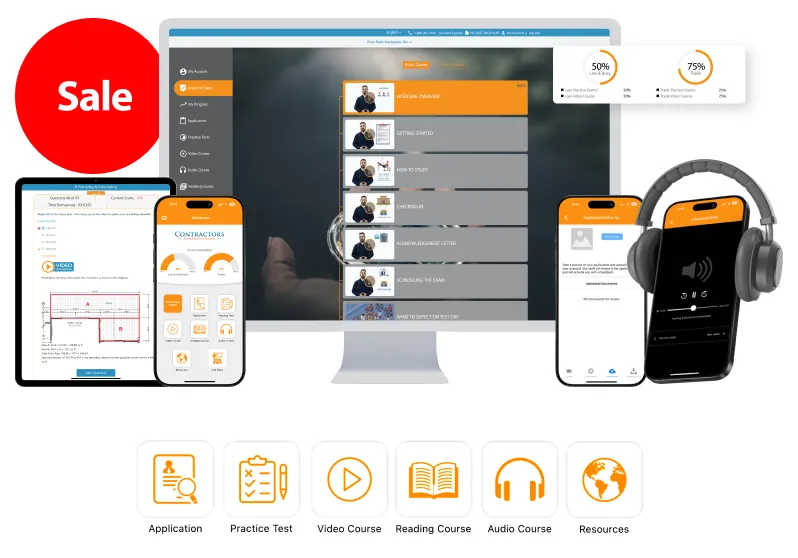
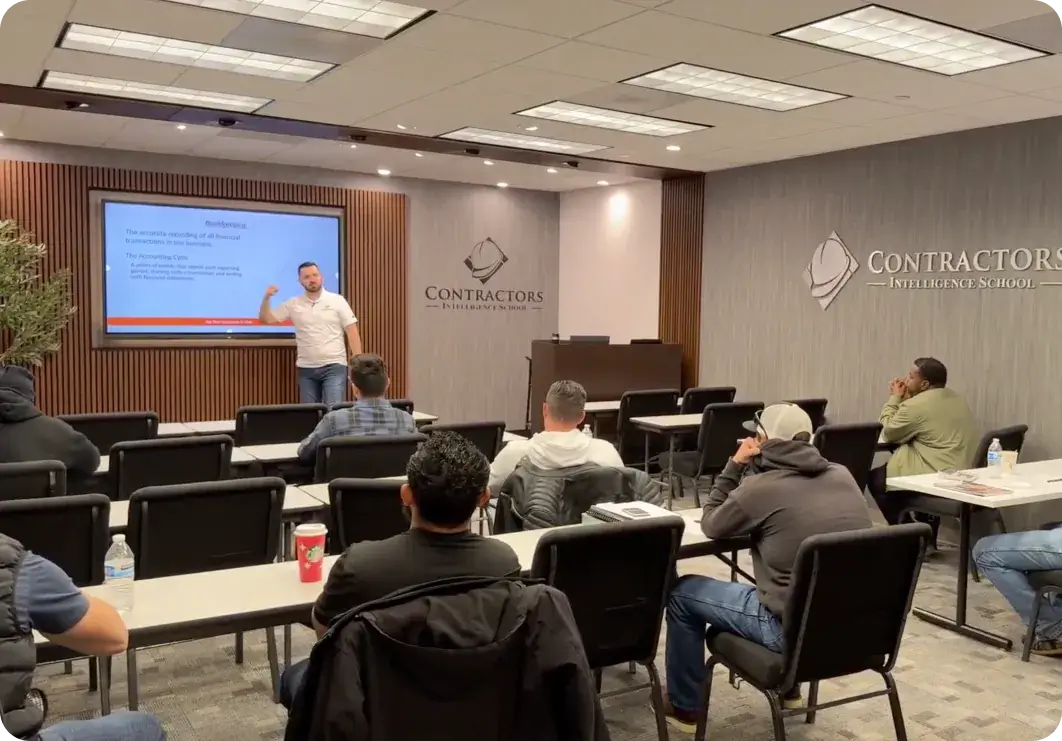
Ready to bypass the frustration and pass on your first try? Enrolling in a structured preparation program is the fastest way to turn code confusion into true test-day confidence. Whether you prefer a fully online course, a live-streaming virtual class, or traditional home study, Contractors Intelligence School has a flexible option built around your busy schedule—including expert CSLB application review to prevent costly state processing delays.
Published on: June 19, 2026



 $495.00

 Live Streaming Class


 Limited Time Offer | Save $500
 Full Online Course