How to Pass the California Plumbing Contractor Exam on Your First Try
Content table
- What Is the California C-36 Plumbing Contractor License Exam?
- What Topics Are Covered on the California C-36 Plumbing Exam?
- How to Study for the C-36 Exam Based on Your Plumbing Experience
- How CSLB Develops C-36 Exam Questions
- How to Build a C-36 Plumbing Exam Study Plan
- Best Study Materials for the California C-36 Plumbing Exam
- C-36 Plumbing Exam Study Tips for First-Time Applicants
- C-36 Plumbing Exam Day Tips: What to Remember Before You Test
- What to Do If You Do Not Pass the C-36 Exam
- Final Thoughts: Prepare for the C-36 Plumbing Exam With a Clear Plan
Preparing for the California C-36 Plumbing Contractor Exam can feel intimidating, especially if it has been years since you last took a formal test. The good news is that passing is less about memorizing entire code books and more about applying your plumbing experience, understanding California requirements, and following a structured study plan.
Whether you work in service and repair, new construction, or commercial plumbing, the right preparation can help you study more efficiently and approach exam day with confidence.
There is no guaranteed shortcut to passing on the first attempt. However, applicants can avoid a great deal of wasted time by studying according to the official exam outline, using practice results to identify weaknesses, and learning how to handle multiple-choice questions under closed-book conditions.
What Is the California C-36 Plumbing Contractor License Exam?
The California Plumbing Contractor License Exam is the trade examination for applicants seeking a C-36 Plumbing Contractor license. The exam is developed by the California Contractors State License Board (CSLB) and administered by PSI Exams.
The C-36 classification covers water-supply and waste systems, gas and liquid piping, fixtures, water heaters, storage tanks, venting, gas appliances, flues, and related systems. The official CSLB C-36 classification provides the complete legal scope.
Most first-time applicants must pass two separate examinations:
- The C-36 Plumbing trade exam
- The California Law and Business exam
This guide focuses on the trade exam, but applicants should prepare separately for Law and Business.
What Topics Are Covered on the California C-36 Plumbing Exam?
The current CSLB C-36 Study Guide divides the trade exam into five major content areas. The percentages are approximate, but they show how much attention each area deserves.
Planning & Estimating (22%)
- Scope of work and code compliance
- Pipe sizing and venting requirements
- Shop drawings, plans, and specifications
- Job site inspections
- Coordination of projects
- Water conservation
- Cost estimation for materials, equipment, labor, and overhead
Underground and Rough Systems (22%)
- Excavation and underground installations
- Piping layout and installation
- Fuel gas piping
- Insulation and system testing
Finish Plumbing Installations (20%)
- Plumbing fixtures and appliances
- Water heaters
- Shut-off valves
- Specialty installations
- Industrial and commercial piping and sanitary systems
Service, Repair, and Remodel Plumbing Systems (19%)
- Troubleshoot plumbing issues
- Isolate leaks and damage
- Repair plumbing
- Retrofit plumbing
- Disposal of plumbing materials
Safety (17%)
- Personnel safety
- Job site safety
- Environmental safety
Planning and Estimating and Underground and Rough Systems are the largest sections, but they account for only about 44 percent of the exam. Finish work, service and repair, and safety still represent more than half.
How to Study for the C-36 Exam Based on Your Plumbing Experience
Not every applicant begins with the same experience. Some plumbers spend years on service calls without installing complete systems. Others install rough plumbing every day but rarely troubleshoot occupied buildings. Your work history should help determine where you spend the most study time.
Study Tips for Service and Repair Plumbers
If you diagnose leaks, clear drains, replace fixtures, or repair water heaters, the Service and Repair section may feel familiar.
Possible blind spots: Planning and estimating, underground installations, plan reading, commercial systems, and larger fuel-gas systems.
Where to focus: Study rough layouts, sizing, venting, estimating, excavation, testing, and systems you rarely encounter. Pay special attention to plan-based and commercial questions if most of your experience involves residential service calls.
Study Tips for New-Construction Plumbers
If you install underground, rough, and finish plumbing, you may already understand sequencing, layouts, testing, and fixtures.
Possible blind spots: Troubleshooting, occupied-building procedures, repair methods, retrofits, and disposal requirements.
Where to focus: Practice diagnosing problems and selecting the safest, most practical repair. Review occupied-building procedures, leak isolation, retrofits, and material-disposal requirements that may not arise during new construction.
Study Tips for Commercial or Industrial Plumbers
Commercial experience can provide a strong foundation in plans, coordination, specialty work, and larger piping systems.
Possible blind spots: Residential code details, small service repairs, water conservation requirements, and exam calculations outside your daily role.
Where to focus: Review residential systems, service scenarios, trade math, and California code and safety requirements. Do not assume that experience with complex piping automatically covers the smaller residential details tested on the exam.
If a subject feels easy, spend less time reviewing it. Put more effort into the topics that make you stop, think, or reach for a reference book.
How CSLB Develops C-36 Exam Questions
Many applicants assume the exam is filled with obscure code trivia. In reality, CSLB works with licensed contractors who serve as Subject Matter Experts to develop and review examination questions. The goal is to identify the knowledge a plumbing contractor needs to work competently and safely.
Questions may require you to:
- Apply plumbing principles
- Interpret plans or jobsite conditions
- Perform trade calculations
- Identify hazards or code violations
- Choose the best installation or repair method
- Determine the correct sequence of work
Field experience matters, but it is not always enough. The exam may cover unfamiliar systems, use different terminology, or present two answers that seem possible. In those situations, the best answer is generally the one that most completely satisfies the code, protects workers and the public, or follows the proper sequence of work. Combine real-world knowledge with California codes, safety, calculations, and test strategy.
How to Build a C-36 Plumbing Exam Study Plan
The most effective study plan is one you can realistically follow.
Most applicants are working full-time while balancing family and business responsibilities. Trying to cram everything into a few weekends rarely works. Instead, build a manageable routine:
- Study for a total of 45 to 60 minutes per day.
- Study approximately five days per week.
- Continue your routine over several weeks.
- Break your daily study time into shorter sessions when necessary.
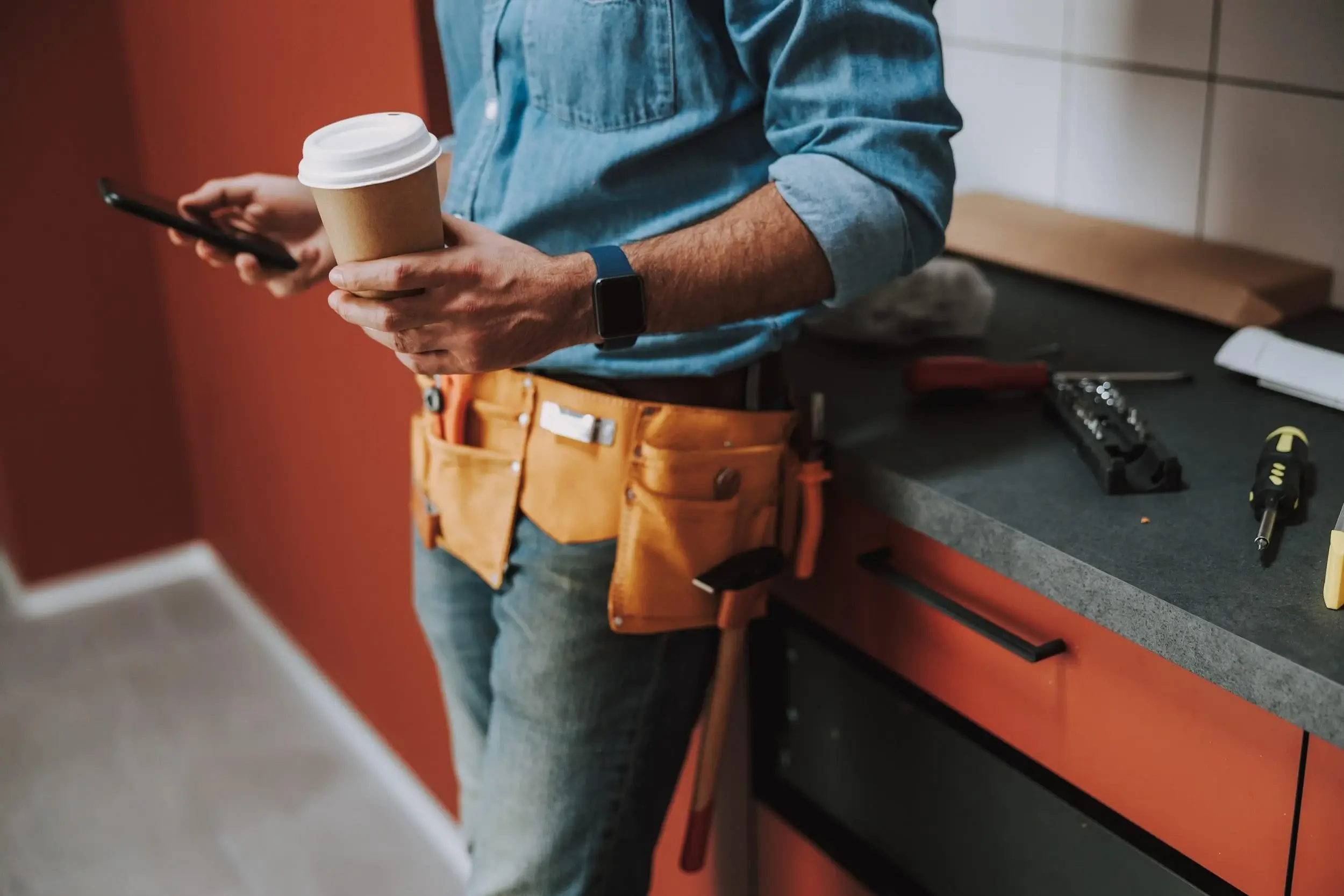
Regular study sessions are usually more effective than occasional marathon sessions. If finding an uninterrupted hour at a desk is difficult, take your studying on the go. Use a mobile app to complete practice questions during lunch, between service calls, or whenever you have a few free minutes. These shorter sessions add up and make it easier to turn exam preparation into a daily habit.
Best Study Materials for the California C-36 Plumbing Exam
Applicants generally prepare using one of two approaches: self-study or structured exam preparation.
Self-Study
Self-study may include the CSLB guide, California codes, Cal/OSHA regulations, trade manuals, and construction reference books. This approach can work, but it requires enough time and discipline to decide what is relevant and convert a large amount of technical information into exam-ready knowledge.
Structured Exam Preparation
A preparation program organizes relevant material into a focused curriculum, including practice tests, technical lessons, math, safety, and Law and Business. This allows applicants to spend more time learning and less time sorting through thousands of pages that may never be tested.
Whichever method you choose, use current materials. The present CSLB guide references the 2025 California codes along with Cal/OSHA and other official resources.
C-36 Plumbing Exam Study Tips for First-Time Applicants
Tip #1: Focus on Understanding, Not Memorization
Do not memorize that the answer was "C." Learn why it was correct and why the distractors were not the best choices. The exam may test the same principle using different wording, measurements, or jobsite conditions. Understanding the rule helps you recognize it when the question looks unfamiliar.
Tip #2: Use Practice Tests Strategically
Find a course that offers practice tests. They help you:
- Identify weak areas
- Improve time management
- Become familiar with question styles
- Build confidence
After every practice test, review both correct and incorrect answers. Understanding why an answer is correct is often more valuable than the score itself.
Tip #3: Practice as if the Exam Is Closed-Book
The C-36 exam is closed-book. Code books help while learning, but final practice should require recall and understanding without searching. This implies that the state exam will primarily focus on common industry practice rather than obscure knowledge.
Tip #4: Master the Skip-and-Return Strategy
Do not let one difficult calculation or unfamiliar question consume several minutes. Answer what you know, flag difficult items, and return later. Every question carries the same value, so secure the easier points before spending valuable time on the hardest problems.
Tip #5: Never Leave a Question Blank
A wrong answer and an unanswered question both earn no credit. However, an incorrect answer does not subtract an additional point from your score. If you are unsure, eliminate the choices that are clearly wrong and make your best educated guess. Leaving the question blank gives you no chance of earning the point.
C-36 Plumbing Exam Day Tips: What to Remember Before You Test
As exam day approaches, focus on preparation rather than cramming. A few simple reminders:
- Bring valid government-issued identification.
- Arrive early and follow PSI testing-center requirements.
- Remember that the exam is closed book.
- Pace yourself and avoid spending too much time on any one question.
- Answer every question before submitting your exam.
Many incorrect answers result from rushing or misreading the question, not from a lack of knowledge.
What to Do If You Do Not Pass the C-36 Exam
Do not panic. Many successful contractors needed more than one attempt. Your Notice of Failure to Pass the Examination shows performance by content area and can become one of your most useful study tools.
Identify the weakest categories, return to the related lessons, and adjust your study plan. Do not simply repeat the same study routine and hope for a different result. Treat the score report as feedback, not proof that you cannot pass.
Final Thoughts: Prepare for the C-36 Plumbing Exam With a Clear Plan
Passing the C-36 Plumbing exam on your first try is not about studying every plumbing book you can find. It is about studying the right material in the right order.
Start with a baseline, review the source materials or follow a structured plan, focus on weaknesses, and practice until you can explain the answers. Remember, you must also prepare for the Law and Business exam, master trade calculations, and deeply understand California safety regulations.
Let Us Help You Pass the C-36 Plumbing Exam
Building your own study curriculum from thousands of pages of code takes time, time that most working plumbers simply do not have. Taking the guesswork out of your preparation is exactly what a structured program is designed to do.
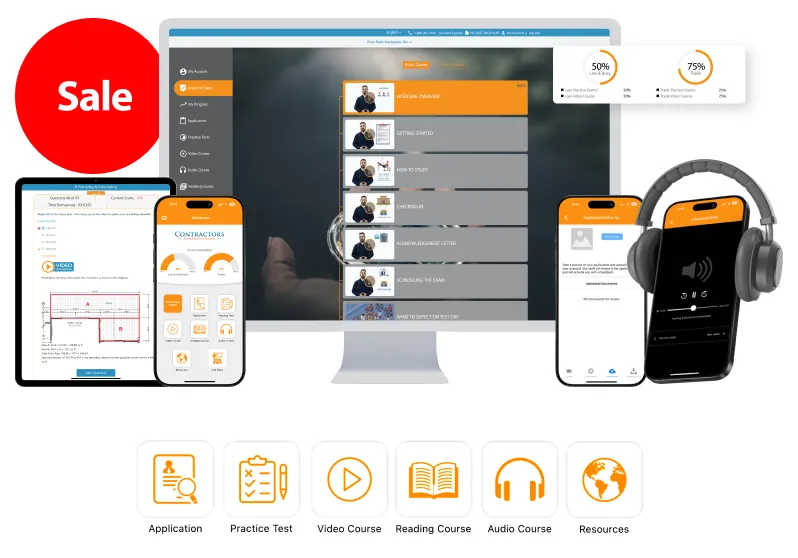
If you are ready to turn your plumbing experience into a California contractor license, Contractors Intelligence School is here to guide you. We offer C-36 practice tests, video and audio lessons, math and safety reviews, Law and Business preparation, and step-by-step licensing guidance. Choose from online, live-streaming, in-class, or home-study options designed to fit seamlessly around a working contractor's schedule.
Published on: July 21, 2026



 $495.00

 Live Streaming Class


 Limited Time Offer | Save $500
 Full Online Course