Content table
- What Projects Can a California B General Contractor License Cover?
- How California's Two-Trade Rule Applies to B General Contractors
- Prime Contracts vs. Subcontracts: What B General Contractors Can Legally Accept
- When Does a California B Contractor Need a Specialty License?
- Quick B General Building Project Scope Comparison Chart
- California B General Contractor License FAQs
- Learn More About Becoming a B Contractor
If you hold a California B general contractor license, one of the most common questions is: What jobs can a B General Building Contractor legally take, and when is a specialty license required?
The answer depends on California's scope-of-work rules, the two-trade requirement, and whether the work will be self-performed or subcontracted. While a California B general contractor license is one of the broadest classifications issued by the Contractors State License Board (CSLB), it does not automatically authorize every type of construction work.
Understanding what work you can contract for, what work you can self-perform, and when licensed specialty subcontractors are required can help you avoid costly compliance mistakes and potential CSLB violations.
What Projects Can a California B General Contractor License Cover?
According to the Contractors State License Board (CSLB), Business and Professions Code section 7057 defines a General Building Contractor as a contractor whose principal business is in connection with:
"Any structure built, being built, or to be built for the support, shelter, and enclosure of persons, animals, chattels, or movable property of any kind."
Because this definition focuses on structures intended for support, shelter, and enclosure, the California B general contractor license covers an extremely broad range of construction projects.
One of the most common misconceptions is that large projects, such as high-rise office towers, hotels, or industrial facilities, require a Class A General Engineering contractor license. In reality, the A classification is intended for fixed works projects such as highways, bridges, pipelines, water systems, and other civil engineering infrastructure.
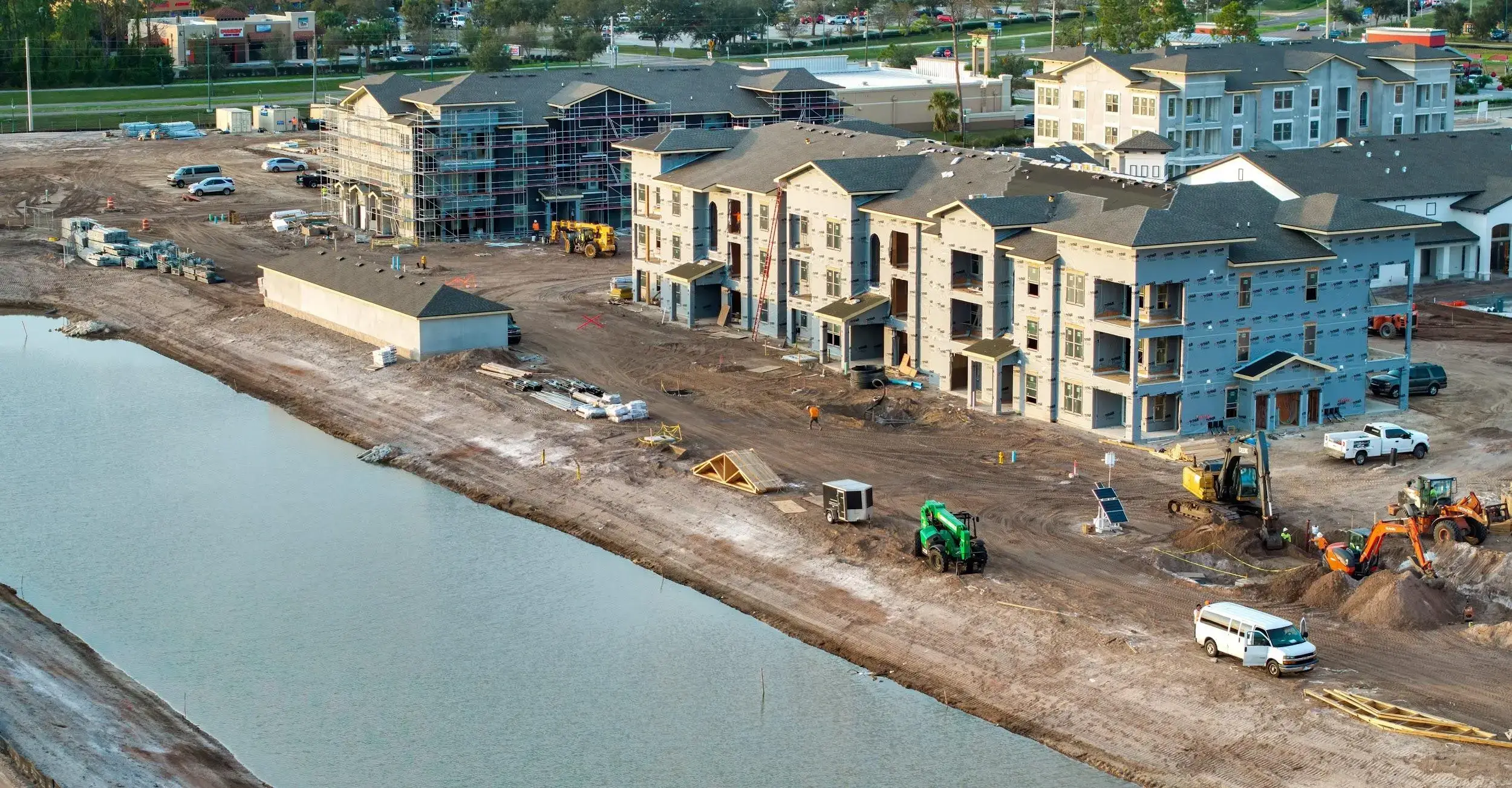
If a project involves a building designed to shelter or enclose people, animals, or property, it generally falls within the scope of a B general contractor license, regardless of the building's size, height, or occupancy classification.
With a California B general contractor license, you may contract for and manage projects such as:
Residential Projects
- New single-family homes
- Accessory Dwelling Units (ADUs)
- Duplexes and multi-family housing
- Room additions
- Garage conversions
Commercial and High-Rise Buildings
- Office buildings
- Hotels and motels
- Retail centers and shopping malls
- Restaurants
- High-rise commercial buildings
Industrial Buildings
- Warehouses
- Distribution centers
- Manufacturing facilities
- Industrial tenant improvements
Institutional and Public Buildings
- Schools
- Government buildings
- Recreational facilities
- Certain healthcare and public-use structures
Interior Renovations and Tenant Improvements
- Kitchen remodels
- Bathroom remodels
- Commercial tenant improvements
- Major interior build-outs
The determining factor is not whether a project is residential, commercial, or industrial. The key question is whether the project involves a structure intended for support, shelter, or enclosure. If it does, the project will generally fall within the scope of a California B general contractor license, subject to California's licensing and specialty trade requirements.
How California's Two-Trade Rule Applies to B General Contractors
While a California B general contractor license grants broad authority over structures intended for support, shelter, and enclosure, its application is further limited by California's two-trade rule.
Under Business and Professions Code (BPC) section 7057, a General Building Contractor is intended to undertake projects that require the use of at least two unrelated building trades or crafts, or to do or superintend the whole or any part thereof. As a result, determining whether a project falls within the scope of a B license requires more than simply asking whether it involves a building.
To remain compliant with CSLB regulations, it is important to understand how framing and carpentry affect the analysis:
Framing and Carpentry Authority
A B contractor may enter into a prime contract or subcontract exclusively for framing or carpentry work and legally self-perform that work. Unlike most specialty trades, framing and carpentry may be performed as standalone projects under a B license.
When Does a B License Require Two Unrelated Trades?
When a project involves trades other than framing or carpentry, the contract must generally require at least two unrelated trades or crafts before it qualifies as general building work. This requirement reflects the role of the General Building Contractor as a coordinator of multiple construction disciplines.
What Does Not Count Toward the Two Trades
Framing and carpentry cannot be counted as one of the two unrelated trades needed to satisfy the multi-trade requirement. Although framing and carpentry may be part of the project, they do not help establish compliance with the two-trade rule.
Putting the Rule Into Practice
Understanding the rule is easier when applied to real-world projects.
Example 1: A Compliant B-License Project
A room addition requiring foundation work, framing, plumbing, electrical, drywall, and roofing clearly falls within the scope of a B General Building Contractor. The project involves a structure intended for shelter and enclosure and requires the coordination of multiple unrelated trades.
Example 2: A Project Requiring Special Handling
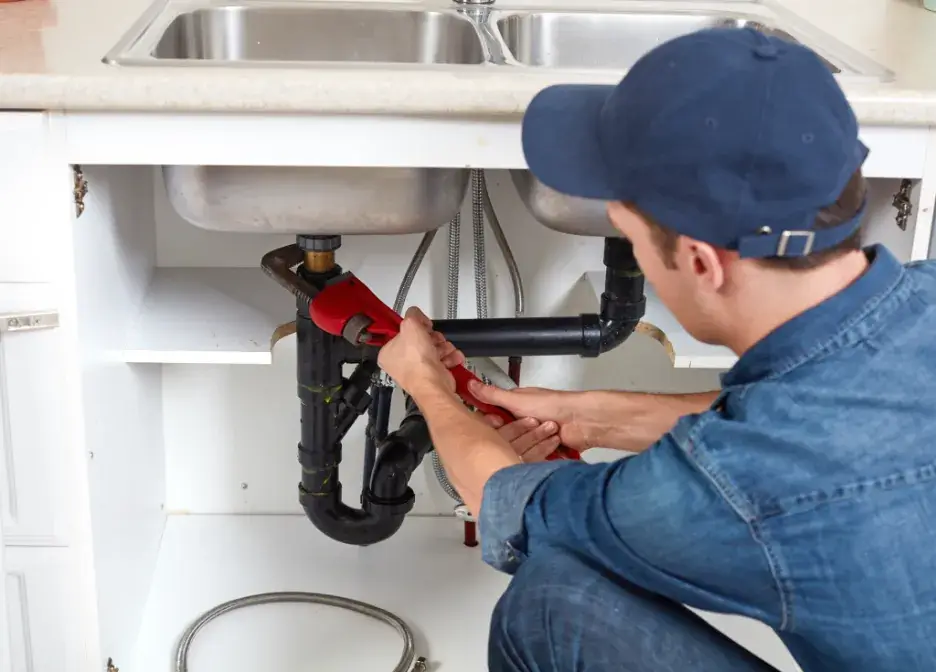
A standalone electrical service upgrade presents a different situation. Although a B contractor may be able to contract for the project, the work itself must be performed by a properly licensed C-10 Electrical Contractor unless the B contractor also holds the C-10 classification.
In practice, evaluating a project under a California B general contractor license comes down to two questions: Does the work involve a structure intended for support, shelter, or enclosure, and does the contract satisfy California's two-trade requirements?
Prime Contracts vs. Subcontracts: What B General Contractors Can Legally Accept

California licensing rules draw a sharp line between work performed under a prime contract (directly with a property owner) and work performed under a subcontract (for another contractor). How you sit in the contracting chain completely changes what your B general contractor license legally allows you to do.
- Prime Contracts: If you sign a prime contract with an owner, you can include single specialty trades (like a standalone re-roofing or electrical upgrade). However, you cannot self-perform the physical labor. Unless you hold that specific specialty license, you must hire licensed specialty subcontractors to perform the work.
- Subcontracts: The rules for subcontracts are much stricter. A general building contractor cannot accept a subcontract from another contractor involving trades other than framing or carpentry unless the subcontract itself requires at least two unrelated trades, or you personally hold that specific specialty classification.
The Subcontract Trap: A B contractor cannot accept a subcontract for only plumbing work and simply hire a plumber to do it. To legally take a single-trade subcontract, you must hold that specific specialty classification yourself.
When Does a California B Contractor Need a Specialty License?
While a California B general contractor license provides immense project flexibility, it is not a universal pass to handle every type of construction work. The CSLB divides single-trade and specialty projects into three distinct categories:
Standard Trades (Must Subcontract if Standalone)
For standard specialty trades, a general building contractor can secure the prime contract, but they cannot self-perform the labor unless it is part of a larger multi-trade project or they hold the specialty license:
- Roofing (C-39): You can perform roofing as part of a multi-trade addition or remodel. If the contract is a standalone roof replacement, you must subcontract the physical work to a licensed C-39 roofing contractor.
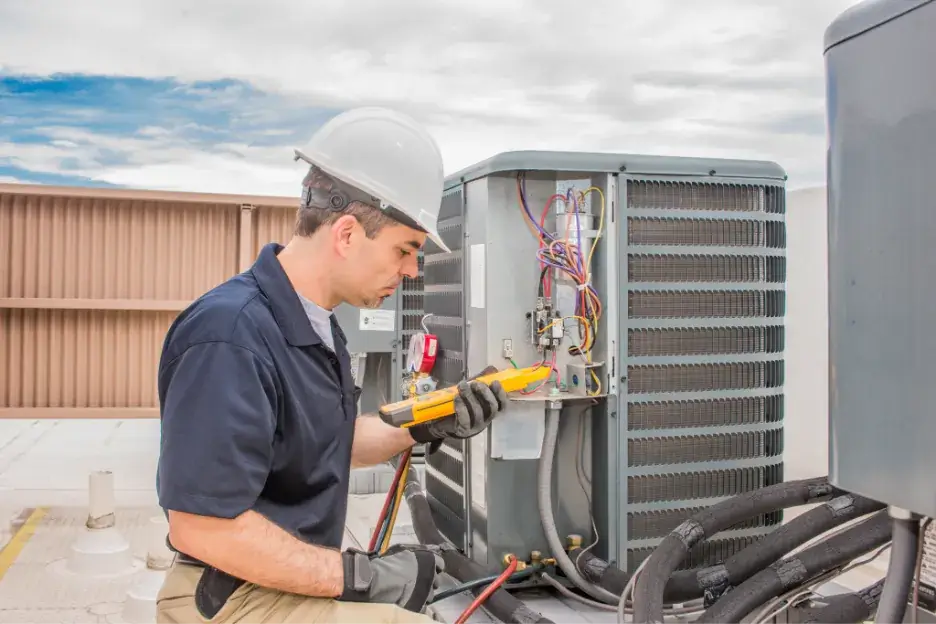
- Electrical (C-10), Plumbing (C-36), & HVAC (C-20): Must be performed by licensed specialty subcontractors if contracted as a single standalone trade project.
The Solar Exception
- Solar Energy Systems: A B contractor is explicitly authorized to contract and self-perform solar installations on structures. California regulations recognize solar energy system installation as work involving multiple unrelated trades, meaning you do not need a separate specialty license to install it yourself.
Strict Limitations & Certifications
Certain high-risk project types are completely barred under a baseline B general contractor license unless highly specific conditions are met:
- Fire Protection (C-16) & Well Drilling (C-57): You cannot enter into a contract for any project that includes fire protection or well drilling unless you hold those specific specialty licenses or hire an appropriately licensed specialty contractor.
- Asbestos Abatement: You cannot contract for asbestos abatement unless you hold a C-22 specialty license, hold an asbestos certification registered with DOSH, or subcontract with a properly licensed specialist.
- Hazardous Substances: You cannot perform hazardous substance removal or underground storage tank removal unless you hold a specific Hazardous Substances Removal Certification.
Quick B General Building Project Scope Comparison Chart
This reference guide highlights how the CSLB determines whether a project fits within your baseline general building authority:
| Project Type | B License Authority | Key Limitation |
|---|---|---|
| New home construction | ✔ Can contract for and perform | Must comply with general building and two-trade requirements. |
| ADU construction | ✔ Can contract for and perform | Typically involves multiple unrelated trades. |
| Room additions | ✔ Can contract for and perform | Must qualify as general building work. |
| Framing or carpentry only | ✔ Can contract for and perform | Exception to the normal two-trade analysis. |
| Standalone roofing | ✔ Can contract for | Requires C-39 classification or licensed roofing subcontractor. |
| Standalone electrical | ✔ Can contract for | Requires C-10 classification or licensed electrical subcontractor. |
| Standalone plumbing | ✔ Can contract for | Requires C-36 classification or licensed plumbing subcontractor. |
| Standalone HVAC | ✔ Can contract for | Requires C-20 classification or licensed HVAC subcontractor. |
| Solar energy systems | ✔ Can contract for and perform | Recognized by CSLB as involving multiple trades. |
| Fire protection systems | ✔ Can contract for | Requires C-16 classification or licensed specialist. |
| Well drilling | ✔ Can contract for | Requires C-57 classification or licensed specialist. |
| Asbestos abatement | ⚠ Limited authority | Requires C-22 or DOSH asbestos certification. |
| Hazardous substance removal | ⚠ Limited authority | Requires Hazardous Substances Removal Certification. |
| High-rise commercial buildings | ✔ Can contract for and perform | Falls under B classification as a building for shelter and enclosure. |
| Bridges and highways | ✘ Not a B classification project | Generally requires a Class A General Engineering contractor. |
California B General Contractor License FAQs
Can I accept a subcontract from another general contractor to handle just the drywall and painting on a commercial project?
Yes. Under CSLB rules, a B contractor can accept a subcontract involving trades other than framing or carpentry as long as the subcontract requires at least two unrelated trades. Since drywall and painting are two distinct, unrelated crafts, you can legally take this subcontract and self-perform the work. However, if the subcontract was for drywall alone, you could not legally accept it unless you held the C-9 specialty license.
Why am I legally allowed to install solar panels, but I am banned from self-performing a standalone roofing replacement?
This comes down to how the CSLB defines the complexity of the work. Under California regulations, installing a solar energy system on a structure is legally recognized as automatically encompassing two unrelated trades. Because it inherently satisfies the multi-trade requirement, a B contractor can contract for and fully self-perform solar installations. Standalone roofing, on the other hand, is viewed strictly as a single specialty trade. Therefore, if it isn't part of a larger multi-trade building project, it requires a C-39 classification or must be subcontracted out.
A homeowner wants to hire me to build a detached wooden deck and patio cover. Can I do this under a B license without any other trades involved?
Yes, absolutely. The CSLB explicitly states that a general building contractor can enter into a prime contract or a subcontract exclusively for framing or carpentry projects and completely self-perform the labor. Because decks and patio covers are structural carpentry work, they are fully within your baseline authority as standalone projects.
Can I bid on a prime contract that consists entirely of plumbing and electrical work if I don't hold either specialty license?
Yes. Because plumbing and electrical are two separate, unrelated trades, the project satisfies California's multi-trade requirement for a General Building Contractor. A B contractor may contract for the project and may self-perform the work or hire licensed specialty subcontractors. The key distinction is that the project itself involves multiple unrelated trades. If the project consisted solely of plumbing work or solely of electrical work, different licensing restrictions would apply.
What happens if I take a contract that violates the two-trade rule?
Operating outside the permitted scope of your license classification is a violation of California law and CSLB regulations. If you self-perform single-trade specialty work (outside of framing or carpentry) without the proper classification, you can face administrative citations, monetary penalties, license suspension, or license revocation of your California B general contractor license. Additionally, you risk losing your legal right to bring a lawsuit for unpaid work if a payment dispute arises with a client.
If I can build a 40-story office tower with a B license, why can't I build a bridge?
Because California distinguishes contractors based on the nature of the project, not its size. Buildings intended for support, shelter, or enclosure generally fall under the B General Building classification, while fixed works projects such as bridges, highways, pipelines, and water systems typically fall under the Class A General Engineering classification.
Learn More About Becoming a B Contractor
Understanding exactly what you can build is just the first step. If you are still working toward launching your construction business, navigating the CSLB application process requires careful planning.
To learn exactly how to qualify for your exams, verify your mandatory four years of journeyman-level experience, and clear the application hurdles smoothly, read our complete step-by-step companion guide: How to Get a General Building Contractor License in California.
While this article outlines the projects you can legally take on after getting licensed, our comprehensive guide breaks down the CSLB exam structure, study strategies, and application assistance resources you need to pass your Trade and Law & Business exams on the very first try.
Ready to get started? Contractors Intelligence School offers flexible online, live-streaming, and home-study courses—plus expert CSLB application review—to help you earn your California B general contractor license with confidence.
Published on: June 30, 2026




 $495.00

 Live Streaming Class


 Limited Time Offer | Save $500
 Full Online Course